Steenbergs selects its organic dried herbs from specialist growers around the Mediterranean.
Imported from around the world, Steenbergs range of organic spices is second-to-none.
Steenbergs range of organic and Fairtrade herbs and spices
Delicious and colourful these make a wonderful addition to many meals. They can also be used for potpourri and craft!
Organic ginger in which ever format suits you - whole, preserved, crystallized, stem, chopped or ground.
Pepper is the king of spices - Steenbergs has a wide range of different types of organic pepper.
Steenbergs salts are hand-harvested sea salts from Europe and further afield as well as salt blends.
Hard to find specialist spices including hot hot chillies
Succulent organic (many of them Fairtrade) vanilla in all formats.
Our new baby bulk range of orgnaic spices, herbs and blends
The new range of Steenbergs spice blends in premium containers.
Choose from our favourite salt and pepper mills.
Everyone should have these spice and herb blends in their storecupboard - at Steenbergs, we blend these Classic Mixes using our finest organic spices and herbs.
Enjoy the flavours of American cooking using Steenbergs range of organic American spice blends - from Tex-Mex to Southern Fried.
Organic Arabian flavours from Steenbergs
Flavours from around Asia - from organic Nasi Goreng to China 5 spice.
At Steenbergs, we blend our own organic spices and sugar blends to our own recipes.
Steenbergs range of BBQ seasonings, great as rubs or as dry marinades. Rub on and sizzle.
Steenbergs range of organic curry mixes and curry powders - for all curry enthusiasts.
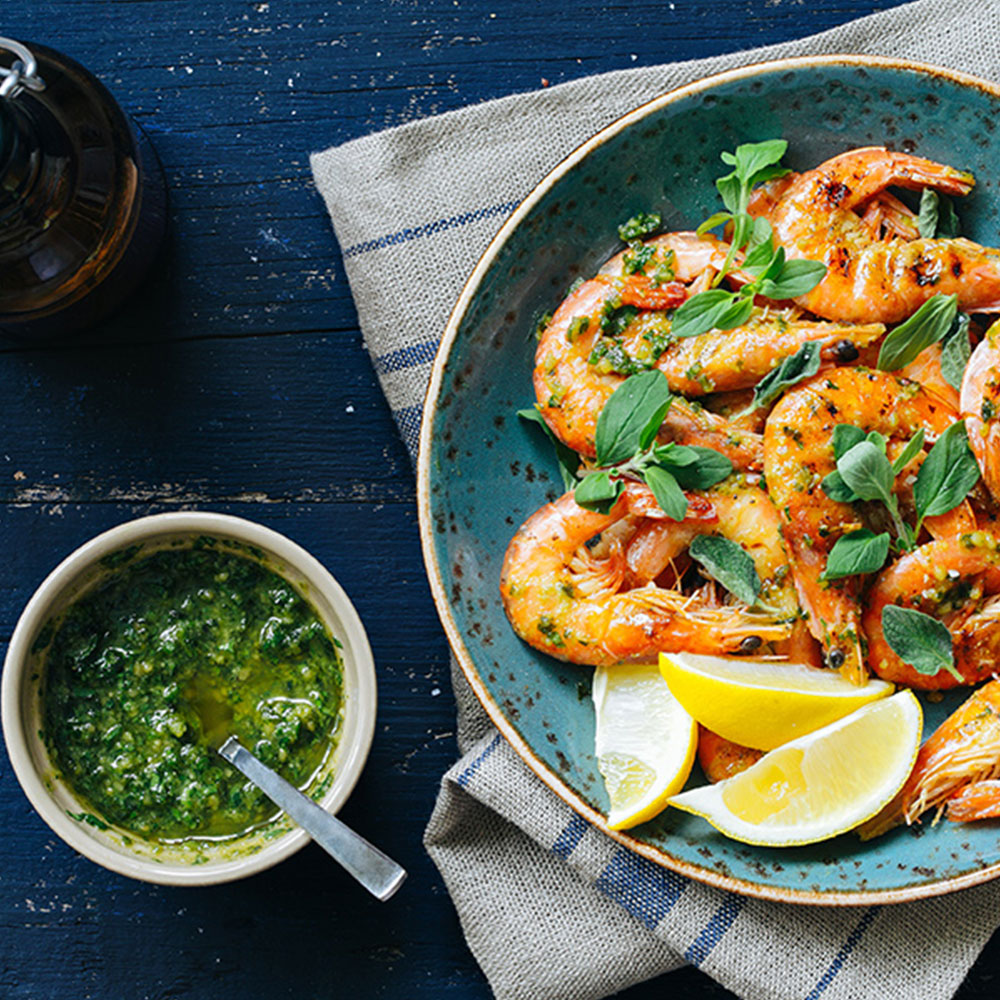
Variety of organic flavours specifically designed for fish and shellfish
The Mediterranean offers a huge range of cookery, from peppery organic paella to hot organic harissa and exotic ras al hanout.
How do you improve on our amazing organic pepper or our sundried traditional seasalt? By blending them.
Organic vegetable bouillons and gravy mixes.
Organic Stuffings from Steenbergs.
A gorgeous range of seasonings and flavoured salts created for Laura Santtini, the mistress of food bling and creator of Taste No 5 with the powerful umami hit.
Steenbergs range of extracts now has natural almond extract that uses bitter almond oil, organic lemon extract, organic orange extract, organic peppermint extract, organic Fairtrade vanilla extract and organic flower waters - organic orange flower water and organic rose water.
At Steenbergs, we blend our own organic spices blends to our own recipes. So enjoy Home Baking with Steenbergs organic Fairtrade Mixed Spice.
From organic dried fruit to yeast and flaked almonds - all your bakery ingredients from Steenbergs.
Cake decorations and edible gold leaf for wonderful baking.
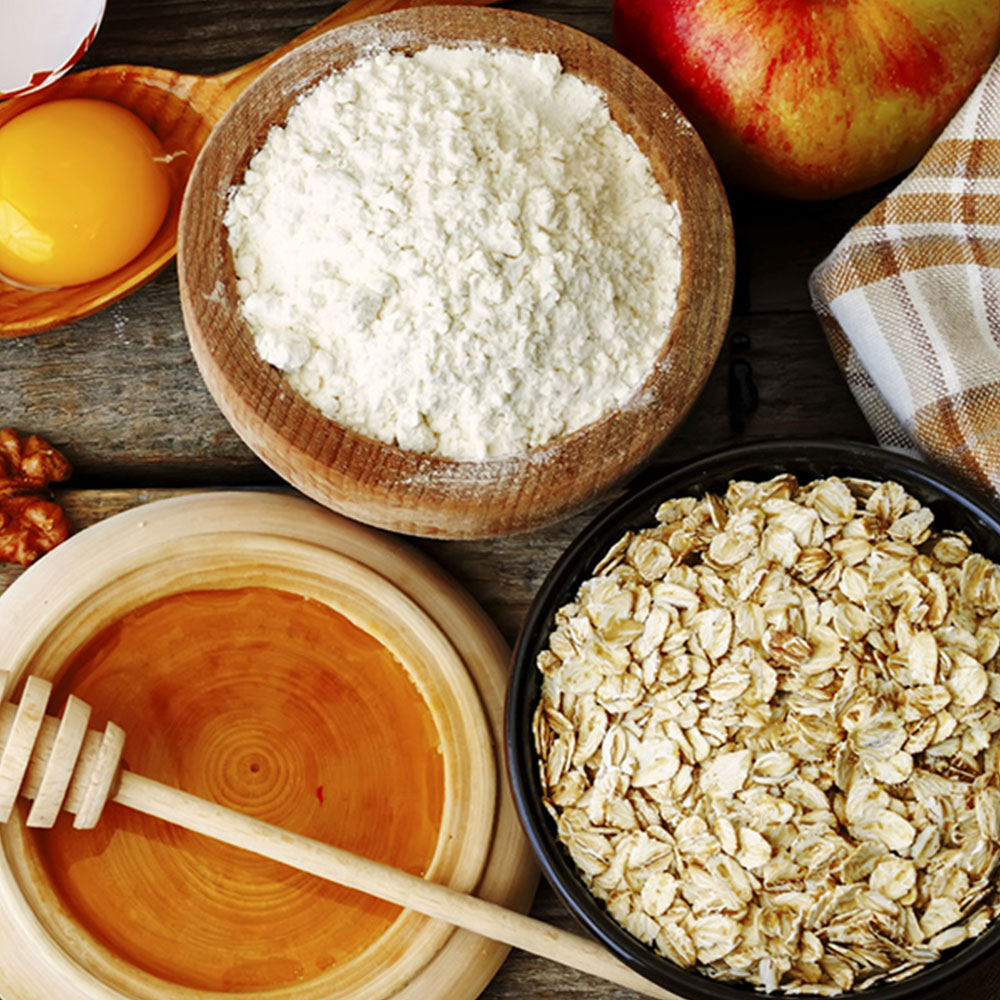
Stone-milled flour (including organic flour), gluten free bread and cake mixes from Great Britain, speciality flours many low in gluten or gluten free.
Organic and natural sugar for baking -several of them Fairtrade - molasses and syrup.
From recycled foil to unbleached baking paper - lots of ideas for the eco-friendly cook.
Steenbergs' pioneering range of Fairtrade spices.
Steenbergs range of Fairtrade organic tea: loose leaf tea and bagged tea - green and black tea.
The Fairtrade flavoured sugars and vanilla extract from our home bakery range
From Fairtrade chocolate and golden syrup to Fairtrade coffee and fruit.
Fairtrade cotton products from shopping bags to facial wipes and tissues.
organic salt mixes to cook with, add at the table and generally enjoy.
Lava red sea salt, yellow salt, persian blue, a rainbow colour of salts.
Great salts to finish off your culinary creations.
A whole range of premium fleur de sels from around the world
Mostly organic teas and some are also Fairtrade. Enjoy Steenbergs healthy organic green and white loose leaf teas from China , India and Sri Lanka.
Oolong Loose Leaf Tea from Steenbergs
Beautiful and tasty hand-crafted teas that have been tied into the shape of flowers or tied with flowers like jasmine to create a tea that looks spectacular as well as tasting great.
Mostly organic teas plus some that are also Fairtrade. Steenbergs favourite organic black teas - loose leaf tea - from beautiful Darjeeling teas to malty Assam teas. This section began as organic tea but has grown quite a lot and now includes some that are non organic to round out the range.
Steenbergs own range of delectable organic chai teas, created using gorgeous organic Indian tea and our range of rich organic spices.
Tasty organic herbal teas - loose leaf / infusions.
Steenbergs delicious loose leaf teas available bulk in stylish resealable bags.
Luxury, spicy and delicious organic Fairtrade hot chocolate
Organic Fairtrade ground coffee beans and instant coffee plus a few non organic coffee substitutes that we have included in here as well
A range of soft drinks and alternative morning beverages like Guarana and Barley Cup
Wide selection of our favourite loose leaf tea infusers - tea balls and teapots with filters
Pyramid teabags in organic - green tea, herbal tea, chai tea, black tea.
From organic rice to organic beans - great for the storecupboard.
All different forms of coconut for cooking and baking. Most of them organic coconut.
Delicious traditional cereals and mueslis to start the day with (or any other time of day)
Organic chocolate to eat, drink or cook with.
Savoury sauces, mustards, chutneys and jellies - many of them organic.
Range of tinned / canned Fish 4 Ever sustainably fished
Organic fruit for baking, cooking or munching
All Steenbergs seasonings are gluten, dairy free and vegetarian. These are some of the other products we stock that are for gluten and dairy free cooking.
Raw Italian honey, Fairtrade honey, organic tahini, organic maple syrup, delicious Italian organic chocolate spreads, organic syrups
From organic sushi ingredients to soba noodles and miso soup.
Tasty organic nuts and snacks for munching.
Organic pasta from Italy is one of the key staple of organic groceries, as are organic noodles.
Organic storecupboard ingredients from organic rice to organic sugar and pasta
Tomatoes in many different forms - sun dried, tinned or pureed. Wonderful to use.
Organic culinary oils and vinegars to grace your kitchen
Tasty selection of antipasto, antipasta
Suncoat natural hairspray and Faith in Nature and EcoBath natural bath stuff, wooden back brushes.
Natural Products for First Aid includes Tiger Balm, Manuka oil to help you through everyday bumps and sprains
Biodegradable nappies to organic bubble bath and nit combs
Everything you need for natural traditional shaving and men skin care with natural health and beauty products
Natural and ethical Cosmetics, organic cotton and natural hair removal systems.
Suncoat's water and sugar based make-up and nail polishes and removers.
Weleda - the wonderful skin care company that has been creating natural skin care ranges for plants for the last 80 years.
Simply Organic Cotton Wool And Tissues
Organic and Natural Sun Lotions to help protect you and your family.
Faith in Nature 's award winning natural shampoos and hair conditioners
Natural Scented Soaps, Olive Oil Soap and All Types Of Soaps And Epsom Salt and Bath Sherbet
Pacifica perfumes, no parabens, no animal testing. No artificial colours. Gluten free, suitable for vegans.
New Trend Organic Cosmetics From Lavera - organic lip glosses and eye shadows to foundations
Steenbergs range of organic unbleached cotton towels, robes and slippers
All of these deodorants are paraben free,many of them Aluminium and Zinc Free as well.
Reusable, sustainable or flouride free toothpaste and toothbrushes
Items of kitchen hardware that help those who just love to bake - mixing bowls, rolling pins and so on.
All those great things for your kitchen that do not fit easily into other categories
Pepper and salt mills, pestles and mortars and all sorts of wonderful things that enhance your love of all things herby and spicy
Love your tea, love your teaware and enjoy our selection of tea items that will complement your tea and coffee life
Incense sticks , joss sticks and incense burners great for creating different ambience and moods around the home
Natural Scented Candles from Pacifica and Maroma
Natural Air Fresheners or natural air fresheners
Practical and eco-friendly cleaning and household products
Eco household products including daylight bulbs and candles
Organic Food For Your Cat
Organic and natural tinned dog food from Lily's Kitchen
Seeds for the wild birds in your garden
Refill packs and larger quantities of the more popular Steenbergs organic herbs, spices and seasonings blends
Larger amounts of Steenbergs more popular teas and hot chocolates, for those of us who consume a remarkable amount of these every day
Hampers full of Steenbergs organic goodies - spices, teas and baking ingredients.
Wonderfully illustrated playing cards from Belgium
organic mini spices to enjoy the flavours of the world.
Perfect gifts for tea lovers - tour the world of tea flavours with Steenbergs' selections of organic Fairtrade teas.
Enjoy these great little gifts for keen cooks - Fairtrade spice stacker or BBQ stacker.
Get baking for Christmas with Steenbergs
Christmas gift ideas for the cooks amongst your friends and family.
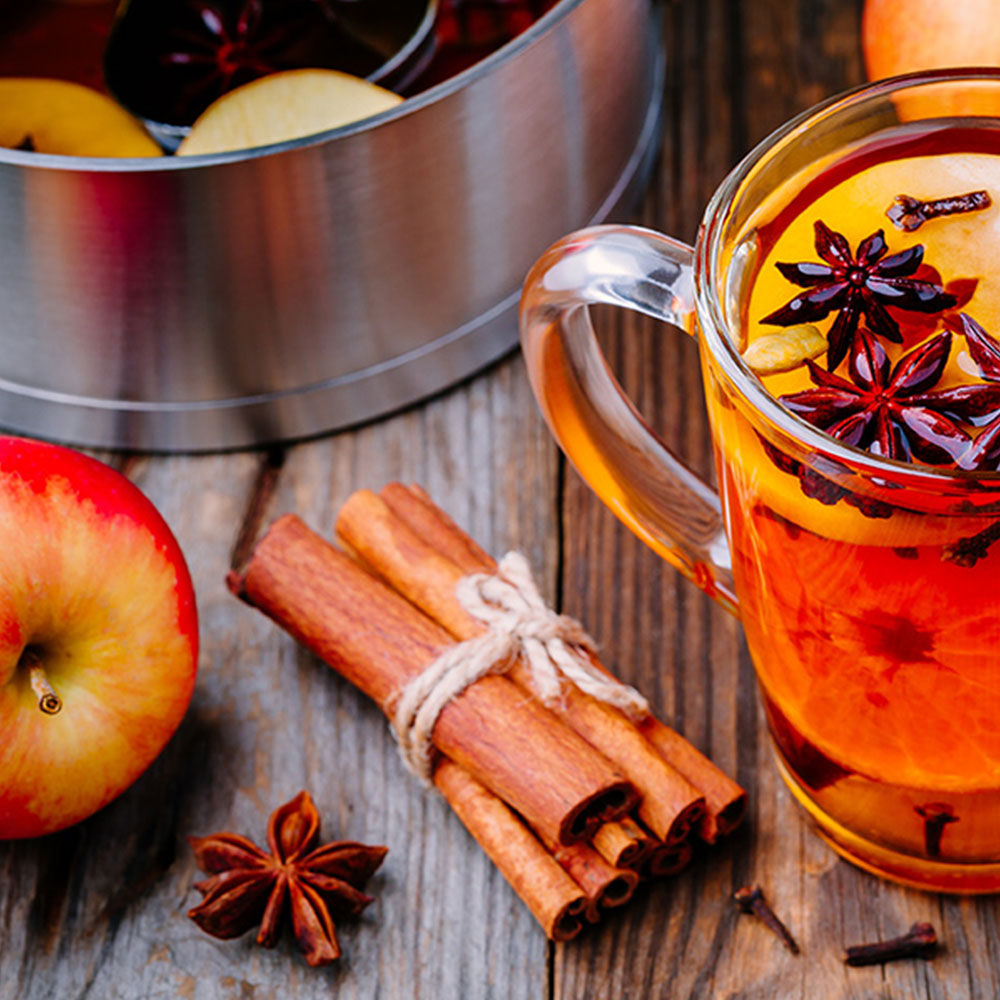
Organic mulled wine spices and Christmas tea
Stocking filler ideas and thank you presents from under £2.00 to under £10.00
Vast fortunes made and squandered, powerful rulers seduced, ailments cured, and nations discovered - all in the name of spice. Spices have always cast a spell on our imaginations. They flatter our senses: our sight with their vibrant colours, our smell with their enticing fragrances, and our taste with their distinct flavours.
Spices have been the catalysts of some of the greatest adventures in human history, from Christopher Columbus to Vasco da Gama, as well as being the driving force for the British East India Company and the British Empire, whose merchants turned London into the greatest spice market in the world for 200 years.
More dramatic, through the book Nathaniel's Nutmeg, is the transfer of Manhattan Island in 1667 to England in exchange for the nutmeg rich island, Run, to the Dutch. Spices energize our daily adventures in food and remind us of journeys to exotic places - and great nights out with friends and family.
Though the word "spice" didn't appear until the end of the 12th century, the use of herbs dates back to early humans. Early civilisations wrapped meat in the leaves of bushes, accidentally discovering that this enhanced the taste of the meat, as did certain nuts, seeds, berries - and even bark.
It is claimed that the lavish use of spices in ancient times was a way to mask the often unpleasant taste and odour of food, and later, to keep food fresh. We don't believe this myth as the cost and value of spices has always been very high, so it would be unlikely that you would use something very expensive on cheaper, less fresh, food.
The first spice expeditions were organized in ancient times to ensure that these coveted commodities would always be in supply. Legend has it that: in 1000 BC the Queen of Sheba visited King Solomon in Jerusalem to offer him "120 measures of gold, many spices, and precious stones." A handful of cardamom was worth as much as a poor man's yearly wages, and many slaves were bought and sold for a few cups of peppercorns.
Arab traders were the first to introduce spices into Europe. Realizing that they controlled a commodity in great demand, the traders kept their sources of supply secret and made up fantastic tales of the dangers involved in obtaining spices. At the crossroads of land trade from India and sea trade from the Mediterranean, spices played a huge role in Phoenician trade. The Phoenicians were expert merchants and smooth navigators; so much so that at the end of the 14th century BC, spices were called "Phoenician merchandise." These slick middlemen knew how to offer their services to kings as well as pharaohs in order to extend their supply sites and possibly pave the way to India.
The Roman Empire, whose boundaries progressively extended from one side of the Mediterranean to the other, couldn't ignore these bewitching spices. Cleopatra herself used a "very stimulating" food to seduce Caesar. Huge quantities of saffron were strewn on the streets of Rome to celebrate Nero's entrance into the city. The reputed excesses of ancient Roman food consumption were apparent in the wide variety of seasonings used in the meals of the rich. Long pepper, the Roman spice of choice, was as omnipresent as garum iberico (a special salty fish paste from Portugal) on the Roman tables. Without a doubt, spices had become status symbols.
In the biblical story of the Magi, three kings from the exotic reaches of the Orient give gifts of gold, frankincense, and myrrh to the newborn Jesus Christ. Frankincense and myrrh were rare, very expensive spices of the time. And in the 5th century, the Prophet Mohammed, from the merchant tribe of the Quora chites, took advantage of the spice trade to spread his Holy Message.
From the 10th century on, the crusades prompted a rediscovery of spices; seasonings made an obvious comeback to the tables of the great and powerful European courts. It was mainly from the Orient, overland via Arabia and the Red Sea, Egypt and the ports of Venice and Genoa that spices reached Britain. Venetian merchants, strategically located midway between the Levant and Western Europe, became the great middlemen of the spice trade. They sent their cargoes via Flanders and the Low Countries for sale in local markets to supply the Northern European countries.
Certain spices were worth so much that one of them even became currency: pepper. In court, litigants bribed judges with spices. A prototype of sugared almonds, some spices were covered in honey in order to disguise them as candy. Their culinary and medicinal uses overlapped, and grocers and apothocaries often worked in the same companies. Besides traditional black pepper, some of the other prized spices of the era were long pepper from Sumatra, ginger, cloves, cinnamon, nutmeg, and galangal (a ginger-like spice from Southeast Asia).
As with any great discovery, the opening of the Southern seaboard spice route was no accident. Portuguese navigators and geographers had been working at it for over a half-century. Henry the navigator, who encouraged exploration of the African coast, was the most famous of them. Christopher Columbus set sail in 1492 to head West and find gold and spices, hoping to hit the Indian coast where these precious commodities could be found. Controlling and supplying the spice market were key objectives for the Portuguese and Spanish powers at the time in their goal to overturn the Arab and Venetian monopoly in the Mediterranean.
Poor old Venice. The virtual monopoly - that it had held of the European spice trade and which had made the Serene Republic rich - was doomed. One day in May 1498 Vasco da Gama anchored his ship off the cost of India. The Arab merchants were shocked to see a Portuguese man on Indian shores. "We are looking for Christians and spices," stated the Portuguese navigator, and with that, the Arabs saw their monopoly crumble. The sea route to India was discovered at last.
Three months later da Gama set off on his return voyage to Lisbon, bearing news that the ruler of Calicut was prepared to barter cinnamon and cloves, ginger and pepper for gold, silver and (strangely) scarlet cloth. The European spice trade passed into the hands of the Portuguese, who held on to it - with difficulty - for a century, only to lose it to the Dutch, whose trade with Java and the Spice Islands, as the Moluccas came to be known, led to the formation in 1602 of the powerful Dutch East India Company.
By the 1680s, the Dutch had established a total monopoly of the highly profitable trade in cloves and nutmegs, while the Portuguese retained a corner in the cinnamon business. At this period, British cooking was still heavy with ginger and pepper, cinnamon, cloves and nutmeg. The food of Italy, Portugal, France, Holland and Germany was similarly spiced and scented.
It was not until towards the middle of the seventeenth century that the British East India Company held a monopoly on all trade with India and that the British began developing its cooking along lines we recognise today. Spices and sugar were readily available and became relatively cheap, and were therefore less prized and used with more discretion. But the economic value of these products declined as farming sites increased.
The Dutch jealously protected access to the Moluccas for fear of seeing their clove and nutmeg trees exported to other regions, which would have ruined their monopoly. Thievery of this sort was punishable by death. After many attempts, a few pepper and nutmeg trees were successfully transplanted to Mauritius Island. This eventually led to a dispersion of plant production sites across Dutch, English, and French colonial empires, which involved spices in addition to coffee, cocoa, and many other plants. The tight reins on the industry were loosening.
Today, colonial empires have all but vanished, spices are used in almost everything we eat, and costs are relatively low. It is hard to imagine that these fragrant bits of leaves, seeds, and bark were once so coveted and costly. For centuries wars were waged, new lands discovered, and the earth circled, all in the quest of spices. However, many of the spices have other purported properties as well as their culinary uses, such as nutmeg which is believed by some to be an aphrodisiac.
Thanks to the vogue of international travel, we can engage in our own spice conquest now. We can stroll through market stalls around the world where spices, perfumes, and exotic plants and flowers enchant the senses. And when we take these scents and tastes of far-reaching places back to our homes, we are again compelled to discover the allure of the unknown.